Physical Address
304 North Cardinal St.
Dorchester Center, MA 02124
Physical Address
304 North Cardinal St.
Dorchester Center, MA 02124


On December 22, 2025, Apple rolled out updated requirements for developer accounts that publish iGaming apps in the European segment of the App Store. The changes concern mandatory automated verification of local licenses through regulator APIs and tightened protocols for vetting legal entities. The decision is driven by the requirements of the Digital Markets Act (DMA) and is aimed at making 100% of gambling content legal across European Union countries.
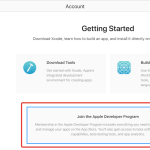
The update affected the technical side of the App Store Connect dashboard. Now, when you upload a build in the “Casino” or “Sports Betting” categories, the system requires you to attach a digital license certificate. According to Apple Developer Support, manual review is being replaced by algorithmic matching of an organization’s data against the registries of national gambling commissions.
The main technical changes include:
For market experts, this means working with “rental” accounts gets harder. Now any mismatch between the console owner’s data and the licensee’s data triggers an automatic account ban that cannot be appealed for 48 hours.
Key data points for developers (December 2025):
The professional community’s reaction has been split. Large licensed operators welcome the changes, since they reduce the number of rogue clones in App Store search results. According to a statement from the chief technology officer of the European Gaming Association (EGA), Apple’s new filters will help clean up the marketplace by weeding out apps that use hidden WebView switchers.
“Apple is effectively turning App Store Connect into a tool of government oversight. For traffic-buying experts (media buyers), this means the cost of a quality mobile app will rise by 35–40% because of compliance expenses,” notes Alexey Ivanov, lead technical auditor of iGaming projects in Europe.
In an official letter to partners, Apple representatives stressed that these measures provide “an unprecedented level of user protection.” However, independent legal advisers point to potential monopolization risks, since it will become harder for small developers to maintain account infrastructure for each individual EU region.
| Parameter | 2024 rules | New rules (Dec. 2025) |
|---|---|---|
| License verification | Upload a PDF document | Real-time API verification |
| Identity verification | Photo ID of the owner | Biometric Face ID + eID card |
| Regional restrictions | Configured in the console | Mandatory system-level geo-fencing SDK |
Before December 2025, Apple kept more flexible terms for iGaming apps, letting developers use their own internal verification systems. However, pressure from the European Commission as part of DMA enforcement forced the company to open up access to alternative app stores. To minimize security risks in an open ecosystem, Apple tightened control over its main store.
Earlier, in November 2024, France and Germany filed requests for stronger oversight of cross-border transactions in mobile games. The current console update is a technical response to those requests. It combines financial monitoring and content distribution into a single controlled environment, where Apple acts as a guarantor of the operator’s legitimacy.
In the short term, experts expect a mass migration of gray-area offers to the alternative app stores that Apple was forced to allow in the EU. Even so, the bulk of paying traffic will stay in the official App Store. This will create a shortage of trusted aged developer accounts (trust accounts).
Analysts forecast the following trends for 2026:
How the situation develops further will depend on how quickly national regulators (for example, DGOJ in Spain or GGL in Germany) update their technical gateways to sync with Apple. Similar requirements are expected to take effect for developers in the United Kingdom by March 2026.
Author: Viktor Gromov, an expert in mobile development and App Store security with 12 years of experience.
Publication date: 2025-12-23T08:00:00+01:00
Sources: The official Apple Developer portal, the EU Digital Markets Act documentation, the European Gaming Association report for Q4 2025.